Madrid Trip
Pass
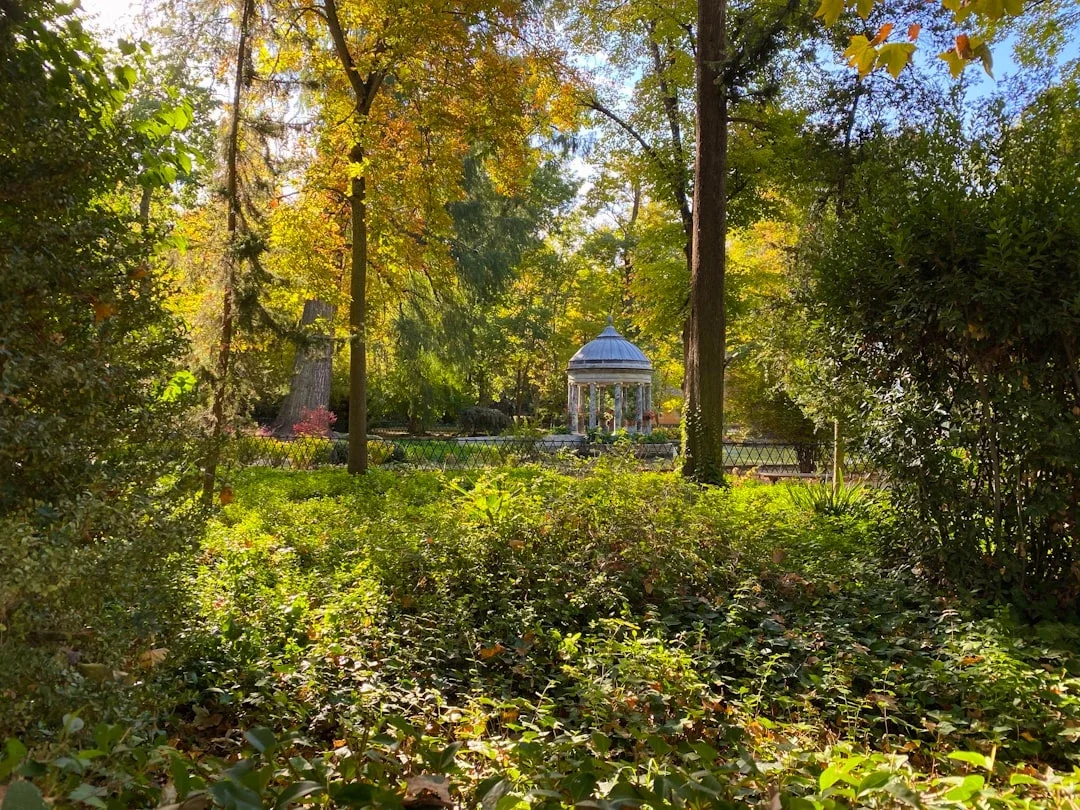
The autumn light

Royal Palace of Madrid Skip-the-Line Walking Tour

Step inside one of Europe's grandest working royal palaces on a guided walking tour that bypasses the entrance queues and brings Madrid's royal history to life room by room.

Walking Tour Centro
Book on GetYourGuide

per person EUR 55,00

In June 2014, the Hall of Columns inside the Royal Palace of Madrid became the stage for a defining moment in modern Spanish history — the signing of King Juan Carlos I's abdication, formalised under Article 57.5 of the 1978 Constitution. That layering of centuries-old architecture and living national drama is exactly what a guided tour here unlocks. Walking these corridors with a knowledgeable guide transforms grand rooms from a blur of gilt and tapestry into a coherent story spanning dynasties, constitutions, and coronations.

A skip-the-line walking tour is the practical choice for visiting one of the largest royal palaces in the world by floor area. Madrid's midday queues at the main entrance can stretch considerably, particularly in summer and around public holidays. Joining an organised tour means your entry is coordinated in advance, so you spend your time inside the palace rather than waiting outside it.

Throughout the tour, guides typically navigate the palace's most historically significant state rooms, explaining the architectural choices, the royal portraits, and the political events — like the 2014 abdication ceremony — that took place within these walls. The Royal Palace remains an official residence of the Spanish Crown, used for state ceremonies, which adds a layer of significance that a self-guided visit alone can struggle to convey.

Check the official website or your booking confirmation for current tour duration, group size, meeting point, and any restrictions on photography inside the palace. Comfortable walking shoes are recommended, as the tour covers multiple floors across a substantial building.

What Makes This Tour Special

Skip the Entrance Queue

Pre-arranged entry means you bypass the main ticket lines that can form at the Royal Palace, saving meaningful time especially during peak Madrid tourism season.

Expert Guided Narrative

A guide contextualises the palace's state rooms, royal portraits, and ceremonial spaces in ways a self-guided audio tour rarely matches — connecting architecture to specific historical events.

Site of a Historic Abdication

The Hall of Columns inside the palace hosted the formal signing of King Juan Carlos I's abdication on 18 June 2014, making the building a landmark of contemporary Spanish constitutional history.

Active Royal Residence

The Royal Palace of Madrid remains an official residence of the Spanish Crown and continues to be used for state ceremonies, lending every visit a sense of living national significance.

Highlights

Hall of Columns

The ceremonial room where King Juan Carlos I signed his abdication on 18 June 2014, formalising the transfer of the Spanish crown under the 1978 Constitution.

State Rooms

A sequence of lavishly decorated official rooms used for royal ceremonies and diplomatic receptions, each reflecting a different reign and artistic era.

Royal Portraits Gallery

A visual chronicle of Spain's ruling dynasties, with portraits that guides use to trace the political and dynastic shifts across centuries.

Royal Tapestry Collections

Floor-to-ceiling tapestries throughout the palace illustrate the scale of royal patronage and the artistic ambitions of successive monarchs.

Dynastic Architecture

The palace is one of the largest royal palaces in the world by floor area, and its architecture reflects deliberate choices made across multiple reigns.

Skip-the-Line Entry

Tour entry is coordinated in advance, bypassing queues that can stretch considerably at the main entrance — especially in summer and around public holidays.

Guided Historical Narrative

A knowledgeable guide connects the rooms into a coherent story from dynastic origins through to the 2014 abdication ceremony.

A Palace Steeped in Constitutional History

The Royal Palace of Madrid has witnessed pivotal moments in Spanish governance for centuries. Most recently, on 18 June 2014, its Hall of Columns served as the venue for the formal signing of the organic law authorising King Juan Carlos I's abdication — a ceremony required under Article 57.5 of Spain's 1978 Constitution. The abdication itself took effect at midnight on 19 June 2014, when the law was published in the Official State Gazette, marking a peaceful and constitutionally orderly transfer of the crown. This continuity between an ancient palace and modern democratic process is central to understanding what the building represents in contemporary Spain.

Know Before You Go

Duration
Allow enough time to move through multiple state rooms at a guided pace — rushing this palace does it a disservice.
Security
As is common for working royal palaces, expect an airport-style security check at the entrance before entering any rooms.
Bags & coats
Large bags are typically not permitted inside the palace rooms; check cloakroom availability before your visit.
Accessibility
The palace is a historic building; accessibility varies by room and floor. Check with your tour operator in advance if mobility assistance is needed.
Children
A guided narrative format works well for older children with an interest in history; the sheer scale of the rooms tends to impress younger visitors too.
Photography
Photography rules vary by room inside the Royal Palace; your guide will indicate where cameras and phones may or may not be used.
Meeting point
Confirm your exact meeting point with the tour operator before the day — the palace is large and the Centro neighborhood is busy.

Best Time to Visit

Our recommendation
Weekday mornings are the most comfortable time to tour the palace, avoiding both the midday crowds and the weekend peaks.
Best day
Tuesday to Thursday — lowest footfall among weekdays.
Best time
Morning, as close to opening time as your tour slot allows, before midday queues build at the main entrance.
Avoid
Summer midday slots and public holidays, when entrance queues stretch considerably even for independent visitors.
Peak season
Summer months and Spanish public holidays see the heaviest visitor numbers across the Centro neighborhood.
Quiet season
Late autumn and winter weekdays typically offer the most relaxed pace through the state rooms.

Insider Tips

1
Pro strategy

When you reach the Hall of Columns, pause before moving on — this is the room where the abdication of Juan Carlos I was signed on 18 June 2014, the moment Spain's constitutional monarchy entered a new chapter. Most visitors walk through quickly; taking a moment here gives the space its proper weight.

2
Preparation

The abdication was announced on 2 June 2014 but only became legally effective at midnight on 19 June 2014, when it was published in the Official State Gazette. Knowing this timeline lets you ask your guide more precise questions about the constitutional mechanics — and the answers are genuinely interesting.

3
Time-saver

Madrid's midday queues at the main palace entrance are at their longest in summer and around public holidays. Your guided tour entry is coordinated in advance, so arriving even a few minutes early at the meeting point is all the buffer you need — don't spend it standing at the ticket queue.

4
Preparation

The palace's state rooms can feel like a blur of gilt and tapestry without context. Before the tour, skim the sequence of Spanish monarchs from the Habsburgs to the Bourbons — your guide's explanations will land much more clearly when you have that basic framework in place.

Pros & Cons

Pro

  • Skips the main entrance queue, maximising time spent inside the palace
  • Guided context brings the historical and constitutional significance of key rooms to life
  • Covers one of the most historically layered royal residences in Europe
  • Suitable for first-time visitors to Madrid who want an efficient, informative introduction

Contra

  • Tour pace and route are set by the guide, offering less flexibility than independent exploration
  • The palace periodically closes for state ceremonies — always verify availability before booking
  • Group tours may move quickly through rooms; visitors with deep architectural interest may want additional self-guided time

FAQ

Does this tour actually skip the ticket queue? +
Yes — a skip-the-line tour includes pre-arranged entry, meaning you avoid the standard ticket line at the Royal Palace entrance. Confirm the exact entry method with your operator at the time of booking.
Is the Royal Palace of Madrid still used by the royal family? +
Yes. The Royal Palace of Madrid remains an official residence of the Spanish Crown and is used for state ceremonies, even though the royal family's primary private residence is elsewhere. It was, for example, the site of the formal abdication signing by King Juan Carlos I on 18 June 2014.
What is the Hall of Columns? +
The Hall of Columns is one of the palace's grand ceremonial rooms. It gained particular historical note on 18 June 2014 when King Juan Carlos I signed the organic law formalising his abdication there, as required by the 1978 Spanish Constitution.
How long does the tour take? +
Tour duration varies by operator. Check your booking confirmation or the official tour provider's website for the exact duration and itinerary.
Where does the tour meet? +
The meeting point depends on the specific operator. Details are typically provided in your booking confirmation. If uncertain, check the official website or contact the tour provider directly before your visit.

How to Get There

Detailed directions will be added soon. Use the map links to plan your route.

Sources & Attribution

Image credits
  • Placeholder, own

Ready to Visit Royal Palace Skip-the-Line Tour, Madrid?

Book on GetYourGuide