Madrid Trip
Pass
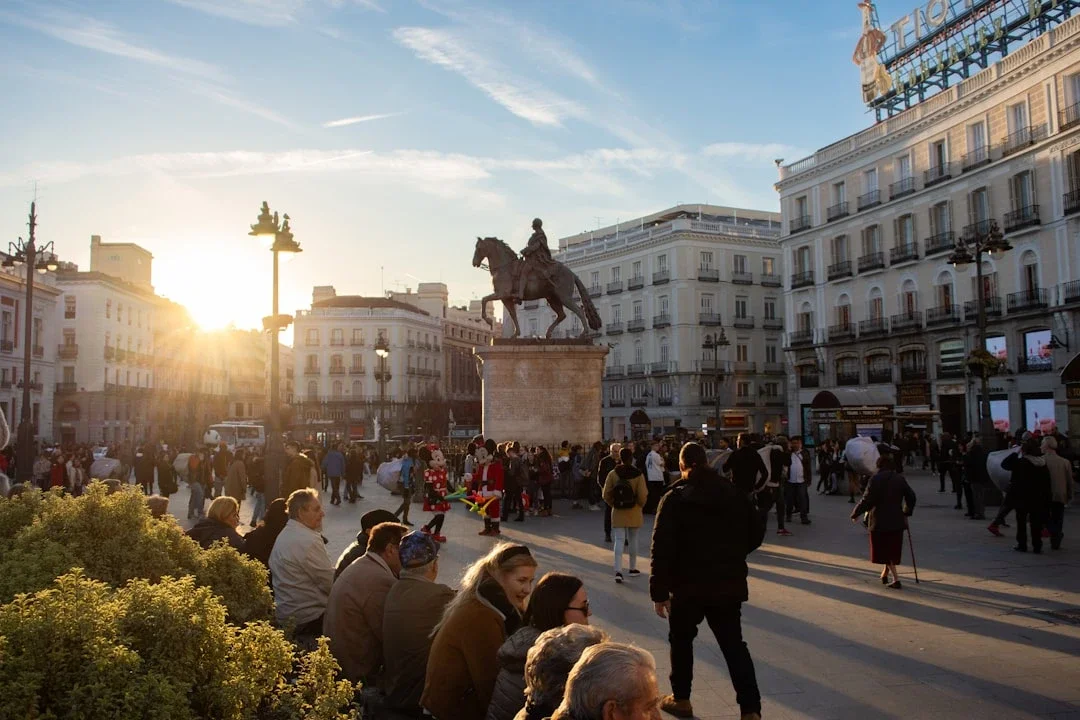
Sun peaking over buildings in Puerta del Sol, Madrid.

Madrid Tapas Walking Tour: Taste the City One Bite at a Time

Step into Madrid's food culture on a guided tapas walking tour — sampling local bites, exploring storied markets, and learning the traditions behind Spain's most beloved way of eating.

Food Tour Centro
Book on GetYourGuide

per person EUR 55,00

A tapas tour in Madrid is less a meal and more a moving education in how this city actually lives. You move neighborhood by neighborhood, bar by bar, pausing for small plates — jamón, croquetas, patatas bravas — paired with local wine or vermouth. Each stop reveals a different facet of Madrid's food identity, from family-run tabernas to century-old taverns where the recipes have barely changed.

One frequent highlight on Madrid tapas routes is the Market of San Miguel, a covered iron market that dates to 1916. After years of dormancy, it was purchased by private investors in 2003 and fully renovated before reopening in 2009. Today its cast-iron frame shelters stalls selling everything from fresh oysters and anchovies to Spanish cheeses and house-poured wines — a compact showcase of Iberian produce that rewards a slow, deliberate visit.

A good tapas tour earns its value not just in food but in context. A knowledgeable guide steers you past tourist traps and into spots where a tapa still arrives automatically with a drink, explains the regional origins of each dish, and gives you the kind of local shorthand that would otherwise take months to accumulate on your own. Distances between stops are typically walkable, keeping the pace relaxed and the appetite nicely calibrated.

Check the official website or booking platform for current availability, group sizes, dietary accommodation options, and meeting-point details before reserving your spot.

What Makes This Tour Special

Authentic neighborhood bars

The route takes you into locally favored tabernas and taverns rather than tourist-facing restaurants, giving you a genuine cross-section of Madrid's bar culture.

Market of San Miguel visit

Many tapas tours include a stop at the restored 1916 iron market, reopened in 2009, where dozens of stalls showcase Iberian cheeses, cured meats, seafood, and wine under one historic roof.

Expert local guide

A guide provides dish-by-dish context — regional origins, preparation traditions, and pairing advice — turning each stop into a short culinary lesson.

Walkable city exploration

Moving on foot between stops lets you absorb Madrid's streetscapes, plazas, and architecture between bites, combining food discovery with neighborhood orientation.

Tour Highlights

Jamón & Charcuterie Stops

Taste cured ham at bars where the product and the pour are chosen by the guide, not the tourist menu.

Croquetas & Patatas Bravas

Two benchmarks of Madrid bar cooking — the croqueta's bechamel filling and the bravas sauce vary block by block, making comparisons half the fun.

Market of San Miguel

A cast-iron market originally built in 1916, shuttered, then privately purchased in 2003 and fully restored before reopening in 2009 — today it houses oysters, anchovies, Spanish cheeses, and house-poured wines under one roof.

Century-Old Tabernas

Some stops on the route are family-run taverns whose recipes predate living memory, giving context that a solo wander through Centro rarely delivers.

Vermouth & Local Wine Pairings

Each small plate is matched with a regional pour — vermouth on draft is a Madrid ritual that the guide frames within its neighborhood tradition.

Neighborhood-by-Neighborhood Structure

The tour moves through distinct pockets of the Centro district, showing how food identity shifts within walking distance.

Iberian Produce Showcase

From fresh anchovies to regional cheeses, the route doubles as a survey of what Spain's different provinces contribute to a single city's table.

Know Before You Go

Duration
Food tours of this type typically run 2–4 hours; plan your day accordingly and arrive with a moderate appetite — not starving, not full.
Children
Most tapas walking tours accommodate older children, though the pace and wine-pairing focus are best suited to adults and older teens.
Bags & comfort
The route covers several blocks of Centro on foot — wear comfortable shoes and keep your bag light, as you'll be standing at bars rather than seated at tables.
Food
Dishes typically include jamón, croquetas, patatas bravas, oysters, anchovies, and Spanish cheeses; inform the operator in advance of any dietary restrictions.
Meeting point
Tour groups in Centro typically meet at a fixed landmark; confirm the exact meeting point with your operator when booking, as addresses are not always provided upfront.
Payment
Any additional drinks or purchases beyond the tour's included stops will require your own payment; carry some cash as smaller bars in Madrid often prefer it.

Best Time to Visit

Our recommendation
Weekday lunch tours (Tuesday–Thursday, 13:00–15:00) hit peak bar energy without weekend tourist congestion in Centro.
Best day
Tuesday to Thursday — bars are fully staffed and local regulars are present, giving the tour authentic atmosphere.
Best time
13:00–15:00 for the lunch tapas window, or 20:00 onwards for the evening round — both are when kitchens and bartenders are at full pace.
Avoid
Saturday afternoons in high season, when Centro's bar streets see the heaviest tourist foot traffic and some stops may be crowded.
Peak season
Late spring (May–June) and early autumn (September–October) bring the largest visitor numbers to Madrid's food tour circuit.
Quiet season
January and February see fewer tourists in Centro, meaning smaller tour groups and more interaction with local bar staff.

Insider Tips

1
Pro strategy

At the Market of San Miguel, let the guide lead your first pass through — the stalls are compact and the choices overwhelming. Once you know the layout from the tour stop, you can return independently after the tour ends to buy cheese or anchovies to take home; the market's 1916 iron structure is worth a second, unhurried look.

2
Money vs time

Madrid is one of the last cities where a tapa can still arrive free with a drink at certain bars — your guide will steer you to these spots specifically. Ask them to point out which neighborhoods still follow this tradition so you can replicate it on your own the following day.

3
Preparation

Pace yourself at the first two stops. Guides typically front-load the itinerary with the most food-dense venues, and visitors who treat the early plates as a full meal often struggle by the third or fourth bar. Think of each stop as a single bite with a single pour.

4
Time-saver

The Centro neighborhood operates on Spanish meal timing — tapas culture peaks between 13:00–15:00 for lunch and again after 20:00 in the evening. Tours scheduled within these windows will find bars at their most animated and the food freshest off the pass.

Pros & Cons

Pro

  • Efficiently samples multiple Madrid neighborhoods and food styles in two to three hours
  • Guide knowledge removes guesswork about which bars are worth your time
  • Includes a visit to the historic Market of San Miguel (1916, renovated 2009) on many itineraries
  • Suitable for first-time visitors and repeat travelers looking to go deeper into local cuisine

Contra

  • Portion sizes are intentionally small — arrive with an appetite but don't expect a full dinner replacement
  • Group tours move at a shared pace, which may feel rushed at stops you'd like to linger
  • Pricing, inclusions, and exact stops vary by operator — review what food and drink is covered before booking

FAQ

What food and drink can I expect on the tour? +
Typical stops feature classic Madrid tapas such as croquetas, jamón ibérico, patatas bravas, and Spanish cheeses, often accompanied by local wine, beer, or vermouth. Specific inclusions vary by operator, so confirm before booking.
Is the Market of San Miguel always included? +
Many Madrid tapas walking tours feature the Market of San Miguel — an iron-frame covered market originally built in 1916 and reopened after renovation in 2009 — but not all itineraries are identical. Check your chosen tour's listed stops.
How long does the tour last? +
Duration depends on the operator and format. Check the official booking page for the exact length of your chosen tour.
Are dietary requirements catered for? +
Many operators accommodate vegetarian or allergy-related needs if notified in advance. Contact the tour provider directly before booking to confirm what alternatives are available.
Where does the tour start and end? +
Meeting points and routes vary by operator. Confirm the exact starting location and any transport logistics when you book.

How to Get There

Detailed directions will be added soon. Use the map links to plan your route.

Sources & Attribution

Image credits
  • Placeholder, own

Ready to Visit Madrid Tapas Walking Tour?

Book on GetYourGuide